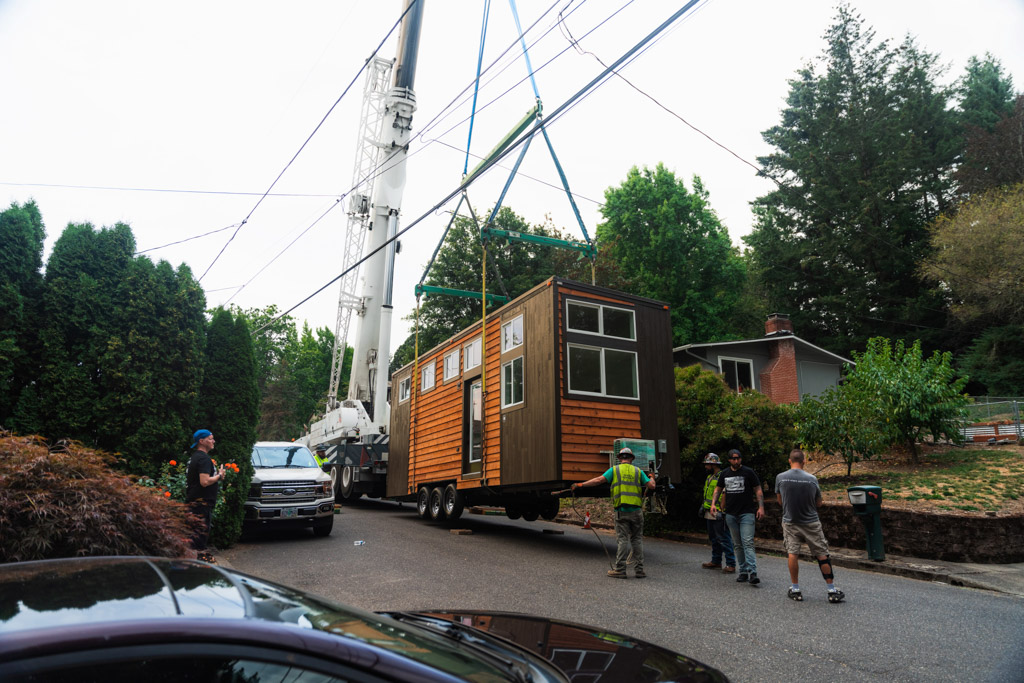
For years, tiny homes were often viewed as a lifestyle experiment — a creative response to minimalism, mobility, or downsizing. But today, that perception is changing.
Across the U.S., tiny homes are increasingly being explored as serious housing solutions for long-term living, workforce housing, hospitality, and community development. As expectations shift, so do the standards required to build responsibly.
Tiny homes are no longer just personal projects. They are increasingly treated as infrastructure — and that distinction matters.
The Evolution of Tiny Homes: From Trend to Practical Housing
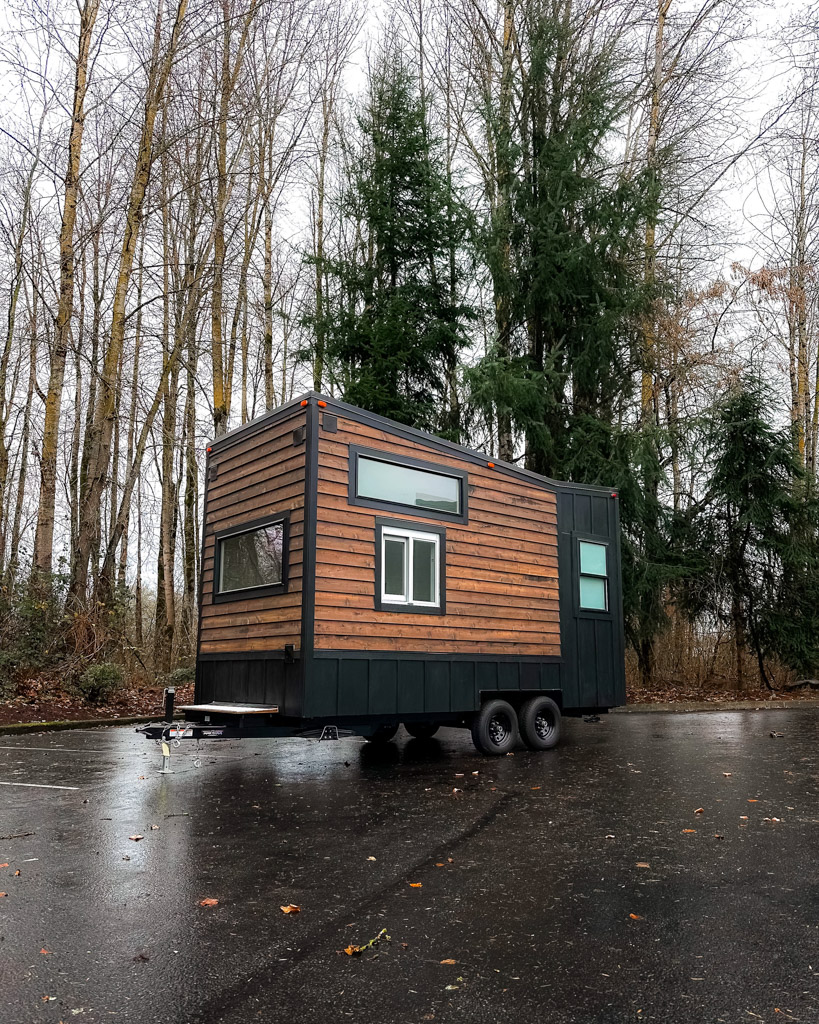
The early tiny home movement was defined by experimentation. Many homes were owner-built or created as one-off projects, offering flexibility but producing wide variation in quality, durability, and long-term performance.
Today, tiny homes are being used for:
- Long-term residential living
- Workforce and employee housing
- Hospitality and short-term accommodations
- Community-based housing initiatives
With these uses comes greater responsibility. Homes must meet structural standards, comply with regulations, and perform reliably over time. What once worked for informal builds does not always translate to dependable housing at scale.
What It Means to Treat Tiny Homes as Infrastructure
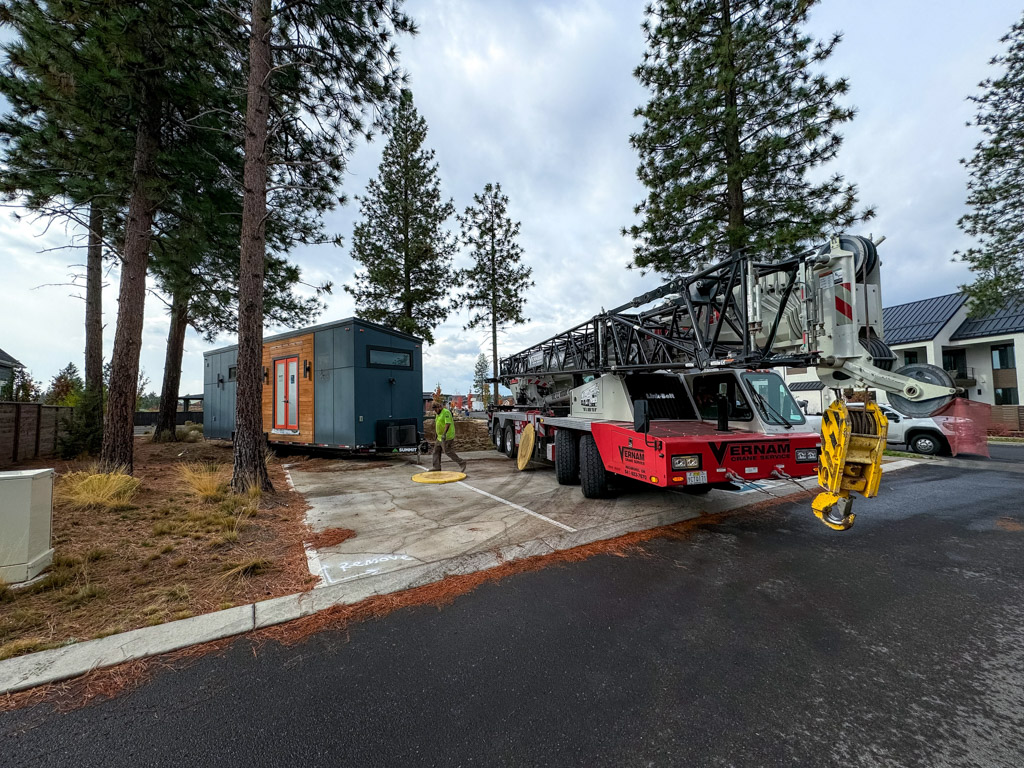
Infrastructure is built to last. Applying that mindset to tiny homes changes how they are designed, constructed, and delivered.
Treating tiny homes as infrastructure means:
- Engineering for durability and longevity
- Selecting materials for consistency and performance
- Standardizing systems where appropriate
- Accounting for permitting, zoning, and inspections
- Setting timelines based on real-world construction conditions
This approach requires more than craftsmanship. It requires experience, systems, and accountability.
"Infrastructure is built to serve people over time — not just to look good on day one."
Why Professional Building Matters at Scale
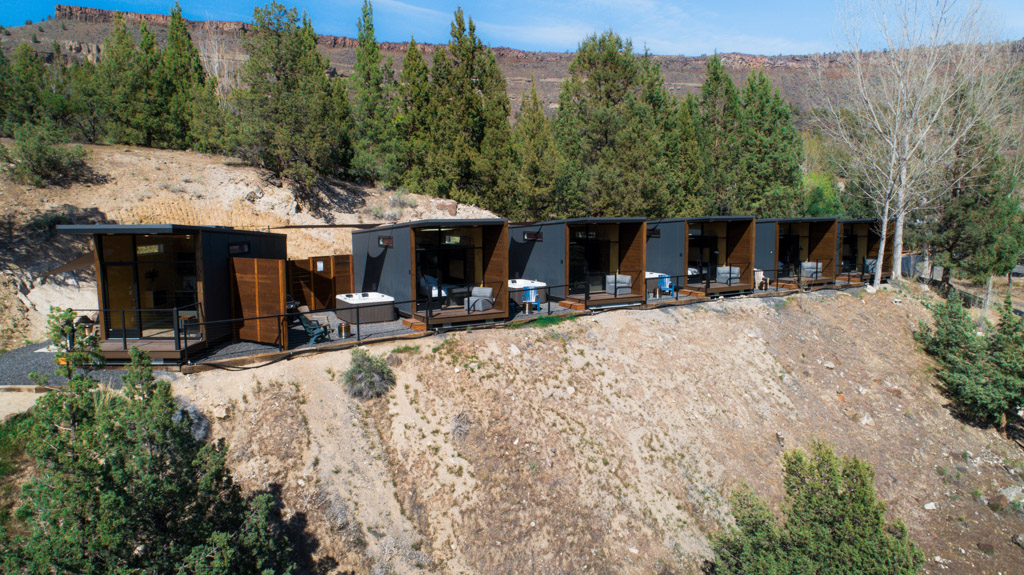
Building a single tiny home is fundamentally different from delivering homes responsibly across multiple projects or locations.
As demand grows, professional builders must manage:
- Supply chains and material availability
- Jurisdiction-specific regulations
- Structural engineering and inspections
- Clear communication and project coordination
These realities directly affect timelines and outcomes. Professional builders help align expectations with execution by designing homes meant for long-term use — not just visual appeal.
Custom Builds vs. Scalable Models: Understanding the Difference
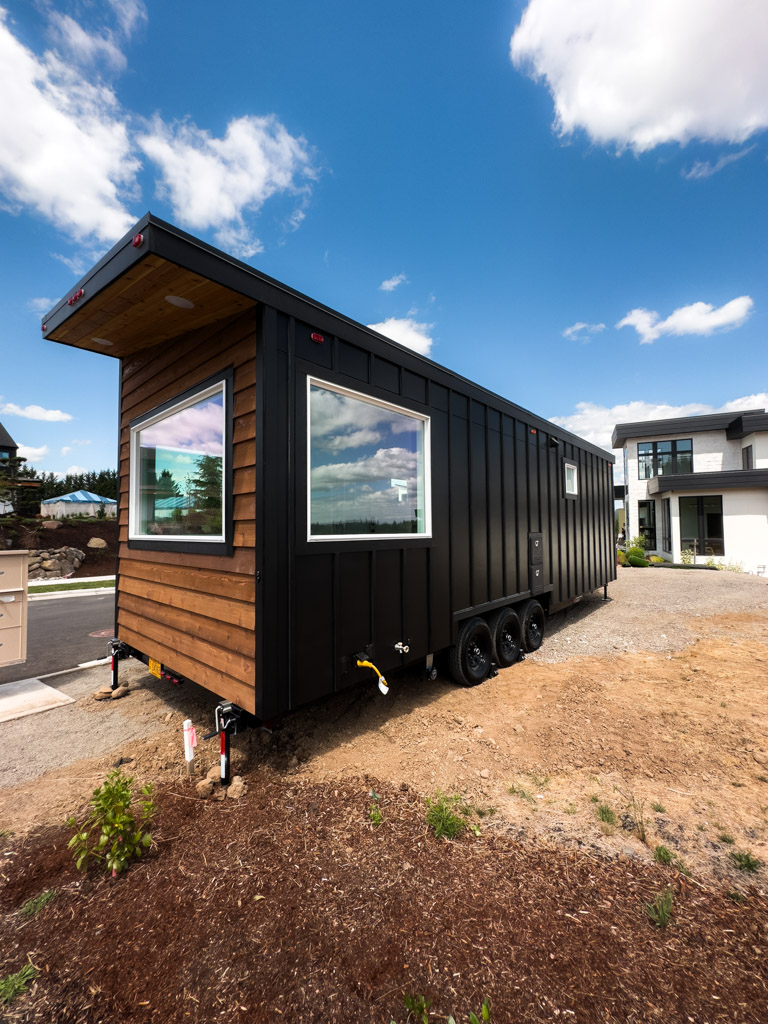
Not all tiny homes are built the same way, and not all buyers need the same approach.
Custom tiny homes allow for deeper personalization and unique layouts, but they involve greater complexity, coordination, and design time.
Signature or standardized models emphasize efficiency, predictability, and repeatability — making them better suited for buyers seeking clarity or for multi-unit projects.
Understanding the difference helps buyers choose the right path and supports healthier expectations across the industry.
Tiny Heirloom's Approach to Long-Term Building
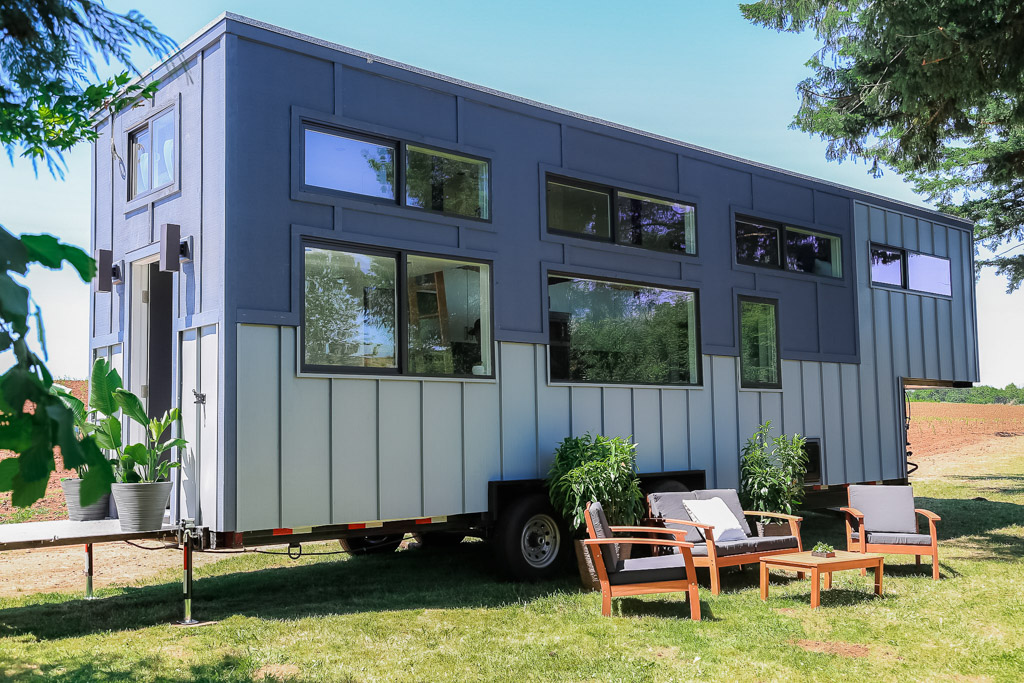
At Tiny Heirloom, building has always been about balancing design, craftsmanship, and real-world functionality.
As the tiny home industry continues to mature, Tiny Heirloom continues refining processes, improving workflows, and adapting to evolving demands — while remaining focused on delivering homes built for longevity and real use.
This evolution reflects a broader truth about housing: as expectations rise, responsible builders grow with them.
Who Tiny Homes as Infrastructure Are Really For
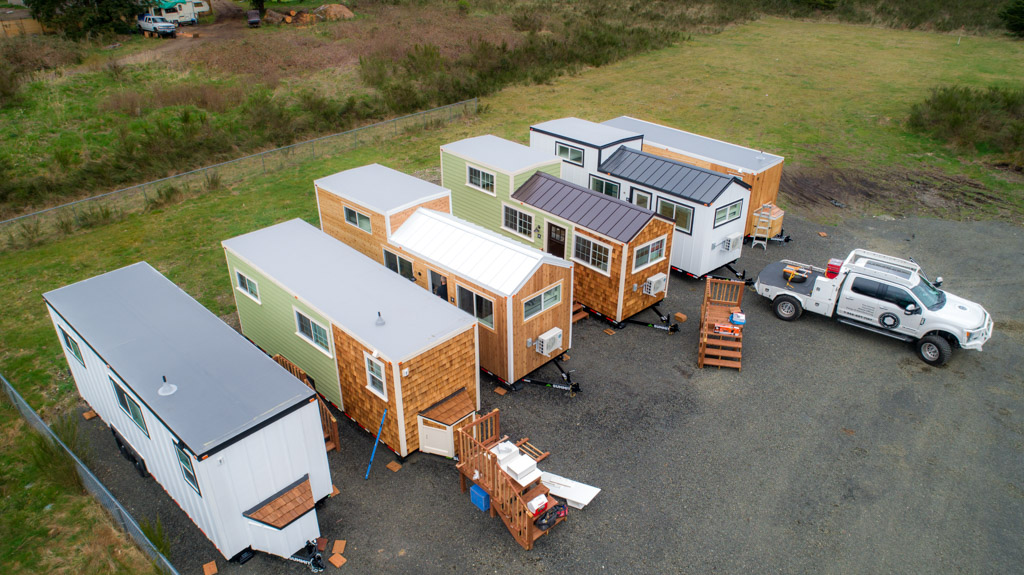
Tiny homes built to professional standards support a wide range of needs, including:
- Homeowners looking to downsize thoughtfully
- Employers addressing workforce housing challenges
- Developers exploring alternative housing communities
- Organizations seeking flexible, scalable solutions
When designed and built responsibly, tiny homes expand the housing toolkit rather than replace traditional options.
Looking Ahead: The Future of Tiny Living
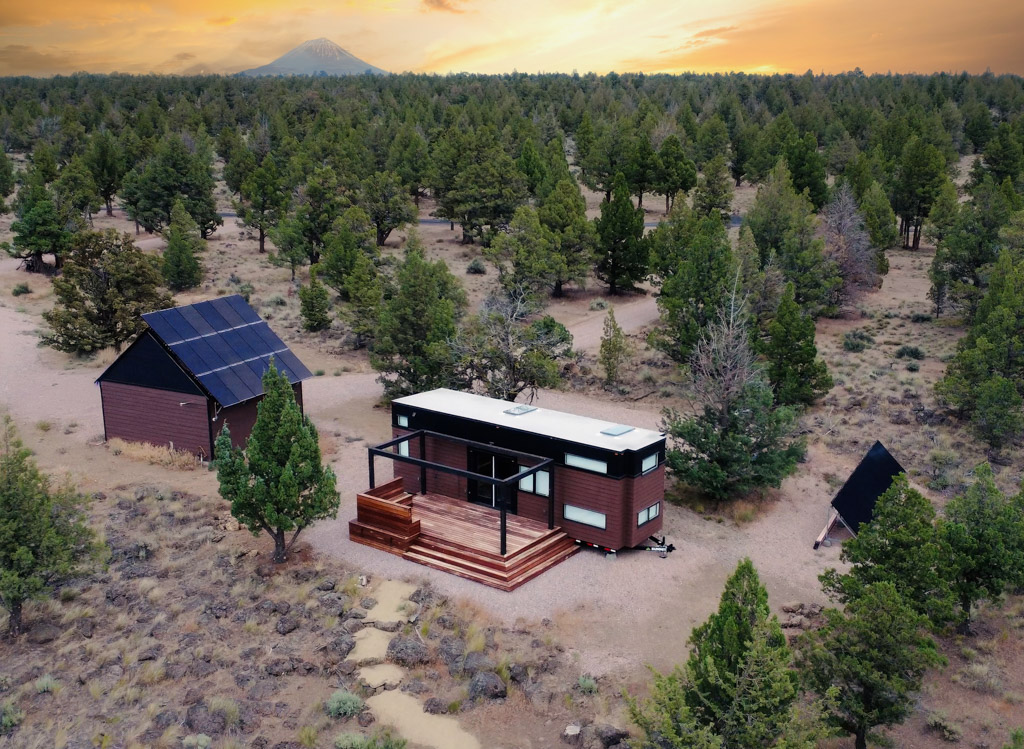
The future of tiny homes isn't defined by size — it's defined by intention.
As the industry evolves, the focus continues to shift toward durability, compliance, and long-term value. Treating tiny homes as infrastructure ensures they meet real needs today and adapt responsibly for the future.
.jpg)
.jpg)
.jpg)